
BUILD A SMARTER BUSINESS
LEARN PROJECT STRATEGIES THAT WORK!

NEED A PM?
-
I can provide AI-Powered PMO (Project Management Office) consulting or join a current team to help leverage artificial intelligence to optimize project delivery, resource management, strategic planning, and decision-making for organizations seeking greater efficiency and effectiveness in managing portfolios and complex initiatives.
-
I can coach, form and lead Cross-functional pods to design, build, and run LLM-powered apps (copilots, RAG, automations) with governance baked in. I handle discovery → MVP → scale—evaluations, guardrails, data/privacy, and cost control—so you launch safe, useful AI features fast and keep them performing in production.
-
I coach and transform teams into AI-driven Startup-pods that design, build, and demo a working prototype in 4-6 weeks—fixed scope, fixed price. I will include success metrics, security/cost guardrails, and a clear upgrade path to pilot/production, so you validate value fast and de-risk investment.
-
As an experienced AI-PMs, I can help set up AI Workflows across teams and projects for a broad range of modern, value-driven services that integrate artificial intelligence into every aspect of project delivery, governance, and strategic management.
I can help your organization move from traditional project management to data-driven, AI-future-ready models that improve agility, decision quality, and project outcomes.
KEEP LEARNING
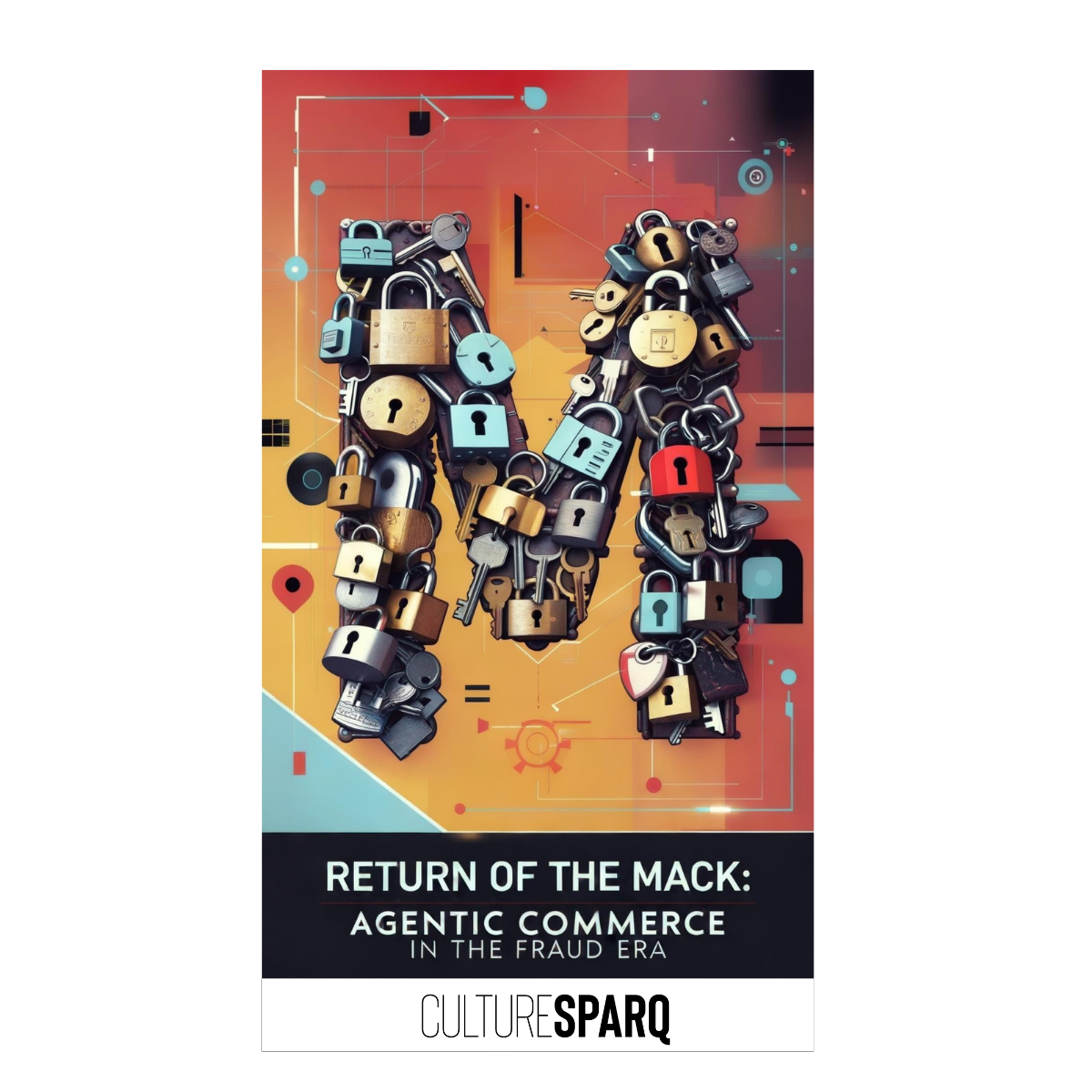
All Eyez on the Cart: The Agentic Commerce Playbook (From Search to Checkout)
The Agentic Commerce Playbook
All Eyez on the System
If traditional E-Commerce was a corner store, Agentic Commerce is the entire operating system — the strip mall, the DJ, the security, and the cashier — all coordinated by intelligent agents, moving in sync.
Lyric Drop:
“All eyes on me… live the life of a boss player.” — 2Pac
(and yeah… the agents, like a boss player, are watching the cart, not just the clicks)
So… what is Agentic Commerce?
Let’s be clear.
Agentic Commerce is not AI-Commerce with better branding.
Agentic Commerce is when intelligent agents don’t just analyze data — they reason, decide, and take action across the entire commerce journey on behalf of the customer and the business.
It’s not magic.
It’s not chatbots.
It’s not dashboards.
It’s a system of autonomous, goal-driven agents.
CultureSparq translation:
Automate → Integrate → Decide → Act → Learn → Monetize
That decide + act part?
That’s the agentic leap.
How Agentic Commerce works
Think of Agentic Commerce like a 5-track album — except every track actually does something.
Track 1 — Signals (the crowd noise)
Every shopper leaves signals:
what you searched
what you clicked
what you ignored
what you added to cart
what you returned
what you bought twice (that’s loyalty, baby)
Agents interpret these signals to understand intent, not just behavior.
Not to be creepy — to be useful.
Track 2 — Reasoning & Prediction (the beat drop)
This is where Agentic Commerce separates itself.
Agents don’t just predict — they reason:
what you’re likely to want next
what size or configuration actually fits
what price point aligns with intent
what delivery promise can realistically be kept
Less analysis paralysis. More decisions that move.
Track 3 — Personalization with Agency (the hook)
Now the experience starts feeling human:
home pages adapt in real time
bundles assemble automatically
recommendations explain why they exist
search understands intent, not keywords
This isn’t “the algorithm did it.” This is an agent acting with context and rules.
Track 4 — Agent-Led Shopping (the remix)
Instead of scrolling forever, customers say:
“Which laptop is best for video editing under $1,200?”
“Build me a fit for a winter wedding.”
“Compare these two supplements and explain the difference.”
An agent:
compares options
filters constraints
explains tradeoffs
assembles the cart
guides checkout
30 tabs → 1 outcome.
Track 5 — Fulfillment, Ops & Feedback (the tour logistics)
Behind the scenes, agents handle:
demand forecasting
inventory positioning
shipping decisions
fraud detection
return prevention
post-purchase support
And every outcome feeds the system.
Agents learn. Systems improve. Margins breathe.
What consumers get (a.k.a why this actually matters)
When Agentic Commerce is done right, shoppers get:
Less time wasted — fewer dead ends
Better discovery — relevant options they didn’t know existed
Better fit — fewer “this looked better online” moments
Fewer returns — intent matched before checkout
Faster help — answers now, not “48–72 hours”
Convenience without chaos.
The CultureSparq Experience
If your E-commerce experience still feels like a dusty mall directory — your customers already left.
Lyric Drop:
“Don’t believe the hype.” — Public Enemy
Shoppers don’t trust claims. They trust experiences that work.
Key Takeaways (for the OG PMs & founders)
Agentic Commerce = data + reasoning agents + autonomous action
The goal isn’t “AI everywhere” — it’s friction nowhere
When done right, everyone wins: faster discovery, better fit, less stress, higher trust
If you’re building in commerce, retail, or platforms — how are you thinking about agents today?
We Build The Culture.
— CultureSparq

Wu-Tang Commerce: Agents of the lost clan
What Is Agentic Commerce? (And Why It’s the Next Era of “Add to Cart”)
Lyric Drop: “Cash rules everything around me.” — Wu-Tang
Because the new money in commerce isn’t just ads… it’s agents.
Agentic Commerce, quickly explained, like your on the Go!
Agentic Commerce is when your e-commerce stack has AI agents that don’t just suggest what to buy — they can reason, decide, and take actions across the customer journey. Traditional e-commerce:
Search → Scroll → Compare → Maybe buy → Abandon cart
Agentic Commerce, hits different:
“I need a fit for a winter wedding under $250.”
An agent asks 2–3 smart questions, filters options, bundles the look, checks inventory, applies promos, and guides checkout.
Lyric Drop: “I’m feelin’ good.” — Nina Simone
Because the experience finally feels like a real concierge.
The agentic difference: recommendations vs. execution
Most “AI shopping” today is still recommendation engines and chatbots that talk nice but don’t do much.
Agentic Commerce adds action:
Browse the catalog like a power-user
Compare specs, reviews, sizing, compatibility
Build bundles (fit + accessories + warranty)
Apply rules (budget, brand, shipping time, ethics)
Trigger workflows (customer support, refunds, fraud checks)
Personalize in real-time (with consent + controls)
Lyric Drop: “We will rock you.” — Queen
That’s the sound of agents turning browsing into buying—fast.
Benefits to consumers (the “why I care” list)
Agentic Commerce is only a flex if it makes life easier. When it’s done right, consumers get:
1) Speed with taste
Less scrolling. More “this is exactly it.” Agents cut the clutter and raise the signal.
2) Smarter discovery
You find better options you didn’t know existed — without getting trapped in “sponsored spam.”
3) Personalization that respects you
The best agentic experiences are preference-first:
“Tell us your vibe, budget, size, and how often you want messages.”
The agent adapts without the creep factor.
Lyric Drop: “Every little thing… gonna be alright.” — Bob Marley
Because shopping stops feeling like a trap.
4) Fewer returns
Agents help get the right fit, right match, right expectations (delivery, sizing, compatibility). Less regret. Less “why did I buy this?”
5) Trust and safety
Agents can spot fraud patterns, fake reviews, and sketchy transactions — protecting honest shoppers without adding friction.
How CultureSparq is leading the way
CultureSparq doesn’t just talk “AI.” We build agentic systems that help brands and founders turn e-commerce into an operating system—not a pile of tools.
Our edge: “Culture + Systems + Speed”
We fuse:
Agent design (what the agent does + how it decides)
Workflow automation (what the agent triggers in real operations)
Data readiness (so the agent isn’t guessing)
Brand voice + culture (so it feels human, not robotic)
The CultureSparq Agentic Commerce Stack (PM simple)
Discover → Decide → Checkout → Support → Grow
Where agents help with:
Discovery agents: search + recommendations + guided shopping
Decision agents: compare, explain, bundle, optimize for budget/time
Checkout agents: promos, shipping logic, financing options
Support agents: “where’s my order,” returns, exchanges, resolution
Growth agents: retention, segmentation, content, lifecycle offers
Lyric Drop: “Started from the bottom.” — Drake
We help founders go from “MVP store” to “scalable machine.”
How we help founders scale in this space (real outcomes)
If you’re building a startup in Agentic Commerce, here’s what we accelerate:
1) Clarity
What agents do you actually need first? We prioritize agents that drive revenue fast: discovery + bundle + support.
2) Speed to market
We help founders ship agent-powered features without overbuilding:
fast prototypes
tight instrumentation
iterate based on real behavior
3) Repeatable growth
Agents don’t just sell once — they learn preferences, reduce churn, and create loyalty loops.
4) A real moat
Your “moat” becomes:
your agent workflows
your data feedback loops
your brand experience
your operational efficiency
Lyric Drop: “Can’t stop, won’t stop.” — (you know the energy)
That’s what happens when the system can run without constant manual labor.
The CultureSparq POV
Agentic Commerce is the shift from storefronts to storefront operators.
Not just “a better website.” A system that can think + act with the customer, not at the customer.
If you’re a founder, this is your window.
If you’re a brand, this is your upgrade.
If you’re a consumer, this is shopping becoming… sane.
We Build The Culture!

how to build a culture to deliver your mission
Culture is Made by Having an Inspiring Mission
If your company culture is not spicy as jerk chicken, it’s probably missing one key ingredient—an inspiring mission and vibe. A strong culture isn’t just about casual Fridays or fancy office coffee; it’s about a vision that people actually feel. When your mission is real, your team moves with purpose—because they’re not just working; they’re building something bigger than themselves. As Kendrick Lamar once said, “We gon’ be alright.” Your company isn’t just a place—it’s a movement.
So, how do you make your mission more than just words on a wall? Let’s break it down with three ways to turn your mission into action, featuring some takeways along the way.
Let’s Dive In
1. Figure Out How Your Teams Like to Connect
A strong mission doesn’t just sit in a PowerPoint—it lives in the way people work together. If you want your mission to be more than a corporate slogan, you need to tap into how your team naturally connects.
Key Points:
Create shared rituals and traditions that bring your mission to life (think daily stand-ups, weekly wins, or open-forum discussions).
Encourage team bonding beyond work—whether it’s happy hours, volunteer work, or friendly competitions, connection fuels commitment.
CultureSparq Example:
At Nike, their mission to “bring inspiration and innovation to every athlete in the world” is reflected in their workplace culture. From their wellness-focused work environment to their emphasis on teamwork and competition, Nike ensures employees embody their mission beyond just work projects.
Lyric Drop: “Love is my religion” — Ziggy Marley. When teams believe in something bigger than their job descriptions, they show up differently.
2. Figure Out How Your Teams Like to Be Communicated To
Your mission means nothing if it gets lost in translation. The best leaders don’t just talk—they listen and adapt their messaging so it actually lands.
Key Points:
Some teams vibe with direct, high-energy messaging, while others need a softer, more thoughtful approach—know your audience.
Use a mix of communication methods (meetings, video messages, Slack updates) to reach everyone where they are.
Keep it real. People can spot corporate fluff from a mile away. Authenticity wins every time.
CultureSparq Example:
Lululemon thrives on open and mindful communication, using their “SweatLife” culture to ensure their mission of “elevating the world through well-being” is understood across all levels of the company. Their transparent leadership style and focus on employee development reinforce their mission.
Lyric Drop: “It’s not what you say, it’s what you do” — Public Enemy. Your team will trust your mission more if they see it in action, not just in emails.
3. Figure Out How to Get Your Teams to Achieve the Mission
Your mission won’t mean much if it doesn’t translate into results. Great leaders create an environment where teams want to make things happen.
Key Points:
Set clear, measurable goals that align with the mission—because “be inspiring” is nice, but “increase community impact by 20%” is actionable.
Empower employees by giving them autonomy. People need to feel like their contributions matter.
Celebrate the wins—big or small. Recognition fuels momentum.
CultureSparq Example:
At Adidas, their mission to be “the best sports brand in the world” is ingrained in their performance-driven culture. They set clear sustainability and innovation goals, ensuring employees see their work as contributing to a larger impact in sports and beyond.
Lyric Drop: “Started from the bottom, now we’re here” — Drake. When teams see progress, they stay invested in the journey.
Key Takeaways (Because You Love a Quick Recap)
Connection Creates Culture: Build shared experiences that make your mission more than just words.
Communication Matters: Know how your team likes to receive information and make sure your mission isn’t just noise.
Execution is Everything: Set clear goals, empower your people, and celebrate wins to keep momentum alive.
Let’s Wrap Up
An inspiring mission isn’t just a statement—it’s the rhythm and a vibe that keeps your team moving forward. When done right, it turns a company into a movement. So, what’s your mission, and are you making it real? Let’s get to work. 🚀

How to Build a Communication Culture!
How to Build a Communication Culture That’ll Transform Your Company!
Alright, let’s be real. You can have the fanciest office, the coolest tech stack, and a coffee machine that makes oat milk lattes with heart-shaped foam—but if your team can’t talk to each other and we know this is not happening as much with a Remote Culture so, I am sure your company is basically running on fumes. Communication isn’t just a buzzword you throw around in meetings; it’s the secret sauce to building a culture because it keeps your people connected, your projects moving, and your culture thriving.
So, how do you build a Communication Culture that’ll make your company run smoother than a Kendrick Lamar track on repeat when he says: Wop, wop, wop, wop, wop? Let’s dive in.
1. Set Up Clear Channels and Protocols (Because No One Likes Guesswork)
Ever been stuck in a group chat that’s half memes, half "urgent" tasks? Yeah, not fun. Companies need clear lanes for communication—think of it like traffic lights for your info flow.
Key Tips:
Pick Your Platforms: Use Slack for quick convos, email for the formal stuff, and project management tools like Trello or Asana to keep tabs on tasks. Don’t mix and match unless you’re into chaos.
Define the Rules: Set expectations for response times. Not every message needs an instant reply (lookin’ at you, midnight emails).
Transparency is Sexy: Share info openly. Dropbox’s “Virtual First” model is all about keeping everyone in the loop, whether they’re remote or in-office.
Real Talk Example:
At CultureSparq, we are a fully remote company, relying on tools like Slack and Google Docs to keep everything transparent. We even have a "Default to Transparency" value—because no one likes feeling out of the loop.
2. Promote Active Listening & Feedback (Because Talking At People Ain’t It)
Communication isn’t just about talking—it’s about listening. If your meetings feel like a one-man show, you’re doing it wrong.
Key Tips:
Two-Way Streets Only: Encourage your team to speak up, ask questions, and challenge ideas. Feedback is a gift, not a threat.
Regular Check-ins: Weekly one-on-ones, team stand-ups, or even casual coffee chats—keep the lines open.
Actually Do Something With Feedback: Don’t just nod and smile. Show your team their input matters by making changes and giving shoutouts.
Real Talk Example:
Netflix is famous for its "Culture of Candor." They encourage radical honesty, where feedback flows freely—even to the top execs. It’s not about being harsh; it’s about being real.
3. Lead By Example and Train Your Team (Because Culture Starts at the Top)
If your leadership team communicates like they’re in a 90s AOL chat room, guess what? Your company will too. Culture is contagious.
Key Tips:
Leaders, Step Up: Model clear, respectful, and transparent communication. If you expect your team to be open, you’ve got to be too.
Offer Training: Workshops on active listening, conflict resolution, or even how to give constructive feedback can work wonders.
Celebrate Wins: Shout out great communication when you see it. Recognition reinforces good habits.
Real Talk Example:
Salesforce invests heavily in communication training for its leaders. They believe strong communication is key to driving both performance and culture—and with their success, they’re definitely onto something.
BECOME UNORTHODOX IN THE WAY YOU COMMUNICATE!
Transform your Communication Culture with YouTube, High School Energy, Gamification and Startup Vibes
Want to level up your company’s communication game? Let’s get creative with some unorthodox strategies that’ll make your culture stand out.
1. YouTube Channel for Transparent, Engaging Communication
Why send boring emails when you can vlog it out? Create a private YouTube channel where leadership and team members post updates, tutorials, and behind-the-scenes content. Companies like Buffer use transparent YouTube videos to share financial updates and company values, making their culture feel accessible and authentic.
2. Channel High School Energy with Peer Mentoring & Gamified Communication
Bring back those group project vibes! Set up a mentorship system or buddy program, and gamify communication with fun challenges like “best team collab” or “most helpful feedback.” Duolingo nails this with quirky internal challenges that keep the team engaged and connected.
3. Adopt Startup Concepts: Fail Fast, Communicate Faster
Startups thrive on rapid feedback and no-BS communication. Host “fail fast” sessions where teams share what didn’t work and what they learned. Airbnb uses frequent retrospectives to celebrate both wins and lessons learned, keeping communication flowing and innovation alive.
Let’s Wrap Up with some Key Takeaways (Because You Love a Quick Recap)
Pick Your Platforms Wisely: Don’t let your team drown in a sea of messages. Clear channels = clear minds.
Listen Like You Mean It: Active listening and feedback loops keep everyone engaged and connected.
Get Creative: Use YouTube, high school vibes, and startup energy to make communication fun and effective.
Building a communication culture isn’t just about sending more emails, scheduling more meetings or even running boring sprint reviews and demos. It’s about creating a vibe where people feel heard, connected, and empowered to do their best work. And when you get that right? Your company won’t just perform better—it’ll thrive.
So, ready to level up your communication game? Let’s get to it.
We Build The Culture! 🚀🎥🎓💡

Mindset Day: Embracing ruthless ambition
The Ambition MINDSET: Driven to get things done.
What’s up leaders, today is a Mindful day — where we share insights on how leaders have a ruthless-driven mindset in order to deliver value consistently. First let’s align on a definition of Ruthless Mindset:
Embracing a ruthless mindset is crucial when it comes to eliminating obstacles. This does not mean being heartless or unethical but rather adopting a relentless determination to overcome challenges. It involves focusing solely on your goals and being willing to make tough decisions and sacrifices along the way.
Let’s Dig In
In the dynamic orchestra of contemporary leadership, possessing a driven mindset is not just beneficial—it’s essential. Inspired by the insights of Daniel Pink’s Drive: The Surprising Truth About What Motivates Us, this blog explores how women leaders harness a ruthless, driven mindset to orchestrate success and innovation. We Build The Culture!
The Essence of 'Drive'
Daniel Pink's Drive delves into the psychology of motivation, proposing that true motivation is rarely fueled by external rewards. Instead, it stems from intrinsic factors: autonomy, mastery, and purpose. Autonomy involves directing our own lives; mastery is our urge to get better at meaningful tasks; and purpose is the desire to do what we do in the service of something larger than ourselves.
Women Leaders and the Ruthless Pursuit of Success
Historically, women in leadership have often had to cultivate a particularly strong form of internal drive to navigate the challenges posed by gender biases and unequal opportunities. For instance, Indra Nooyi, former CEO of PepsiCo, and Rosalind Brewer, CEO of Walgreens Boots Alliance, exemplify a ruthlessly driven mindset. Brewer, an African American woman who rose through the ranks to lead major corporations, focuses on innovation and strategic growth, pushing the boundaries in the retail and pharmaceutical industries.
Examples and Pay-offs
Indra Nooyi - She reshaped PepsiCo by focusing on healthier products and a sustainable business model, which not only increased its market share but also positioned the company as a leader in corporate responsibility.
Mary Barra - As CEO of General Motors, Barra has been steadfast in steering the automaker towards electric vehicles and self-driving technologies, recognizing early the shift in industry paradigms and positioning GM as a future-ready company.
Rosalind Brewer - At Walgreens, Brewer is driving a major digital transformation, aiming to improve customer experience and streamline healthcare services, which positions Walgreens at the forefront of innovation in retail and health solutions.
These leaders demonstrate that being ruthlessly driven can lead to significant transformations within their industries, paving the way for future innovations and securing long-term success.
A Short Review of 'Drive' by Daniel Pink
In Drive, Pink challenges traditional notions of motivation driven by rewards and fear of punishment. Instead, he presents a compelling case for the power of internal drives. He supports his thesis with robust research and real-world examples, making a persuasive argument for rethinking how we motivate ourselves and others. The book is not only a call to action for more enlightened business practices but also a practical guide for aspiring leaders to recalibrate their intrinsic motivations.
Key Leadership Tips
Love Yourself First: Have a positive regard for your own wellbeing and happiness.
Foster Autonomy - Allow team members to have a say in their work processes and goals.
Encourage Mastery - Invest in the continuous development of your team’s skills.
Define Purpose - Clearly articulate how your team’s work contributes to the broader goals of the organization.
Let’s Wrap Up
For leaders, especially women who often tackle unique challenges, embracing a ruthlessly driven mindset is about more than ambition; it's about setting a tempo for success that resonates with innovation and sustainability. By tuning into their inner drive as detailed in Pink’s Drive, leaders can not only achieve their goals but also inspire their teams to perform a symphony of productivity and purpose.

Straight Outta Compton: N.W.A’s Guide to Building a Powerhouse PMO
Hey, what’s up, PMO leaders? Grab your notepads and turn up the volume because we’re about to break down how building a powerful Project Management Office (PMO) is like producing a platinum hip-hop album. And who better to guide us than the pioneers of gangsta rap themselves, N.W.A, with their groundbreaking track, "Straight Outta Compton"?
The Artists and The Anthem
Back in '88, N.W.A hit the scene hard with "Straight Outta Compton," a track that didn’t just shake the airwaves—it started a revolution. It wasn’t just the aggressive beats or the raw lyrics; it was the way Eazy-E, Dr. Dre, Ice Cube, and the crew came together, each bringing their unique style but united by a common goal. They transformed the music industry, showing the power of collaboration, raw talent, and real talk.
How Does This Relate to PMO?
Much like N.W.A, a successful PMO needs a crew of diverse talents, where everyone plays off each other’s strengths and keeps it real. The PMO is your group, your studio, and your label all in one. It’s where strategy, structure, and governance come together to produce hits—those big project wins.
PMO Hits: Models of Success
The Enterprise PMO: Like a record label overseeing different artists, the enterprise PMO provides governance across various projects, ensuring they align with the corporate strategy. An example? Apple’s PMO, which oversees their product launches, ensuring every iPhone drop is smoother than Dr. Dre's beats.
The IT PMO: Specializing like a producer in a specific genre, IT PMOs manage tech-heavy projects. Google’s PMO might be running the show here, ensuring that all projects, from software to hardware, sync up to innovate continuously.
The Project-Specific PMO: This is your one-hit wonder turned into a classic album. It's set up for a single, crucial project. NASA’s Apollo program PMO? That was all about putting a man on the moon—a mission-specific goal with a platinum record in history.
The Big Pay-Offs
Chart-Topping Efficiency: Just as N.W.A streamlined hip-hop into something raw and real, a well-run PMO streamlines projects to deliver on time and under budget.
Collaboration that Hits Hard: Strong PMOs foster a culture of collaboration, much like a supergroup, where the blend of skills leads to innovative solutions.
Governance that Grooves: Good PMOs keep projects in check with governance structures that are as solid as beats on "Straight Outta Compton."
Key Tips on the Mic
Know Your Artists: Understand the strengths and weaknesses of your PMO team. Assign roles that let each member shine.
Drop Real Feedback: Keep communication open and honest. Feedback is the mixtape review that helps you improve.
Stay on Beat with Trends: Just as hip-hop evolves, so does project management. Stay current with methodologies and tech to keep your PMO fresh.
Produce with Precision: Every project you manage should be handled as meticulously as Dr. Dre in the studio.
Let’s Wrap It Up with a Hook
Building a PMO that’s as impactful as N.W.A's "Straight Outta Compton" isn’t about just keeping things moving—it’s about moving things forward, making noise, and making a difference. So, pump up the volume on your leadership, cue up your strategic hits, and let your PMO drop bars that the whole industry will respect. Keep it real, keep it tight, and keep pushing the limits. After all, isn’t it time your PMO went platinum?
